Strength, Recovery & Bones
How to Walk Into a Gym for the First Time at 55 (Without Feeling Lost)
A first-visit game plan, so you walk in knowing exactly what to do.
That pit-in-your-stomach feeling is completely normal
You pull into the gym parking lot. You sit in your car for a minute. Through the window you can see rows of machines you don't recognize, a guy grunting under a barbell, and a 25-year-old in matching leggings who looks like she lives there.
And a little voice says, What am I even doing here?
If you've ever felt that, you're not alone. Walking into a gym for the first time at 55 (or 60, or 70) can feel like showing up to a party where everyone knows each other but you. A lot of women turn the car around right there.
But here's the thing. You have more reason to be in that gym than almost anyone else in the room.
After menopause, the drop in estrogen speeds up muscle and bone loss. Resistance training (lifting weights, using machines, or working against your own body weight) is one of the most powerful tools we have to slow it down. It helps protect your bones, keeps your metabolism humming, makes everyday life easier, and helps you stay strong and independent for decades. I go deeper into the why in Why Muscle Loss Speeds Up After Menopause (and How to Stop It).
So this article isn't about whether you should go. It's about how to walk in that door feeling confident, with a plan, and maybe even having fun.
It really doesn't have to be scary
Most gym anxiety comes down to one fear: standing there not knowing what to do while everyone watches.
So let me let you in on a secret. Nobody is watching you. Everyone at the gym is thinking about their own workout, their own playlist, and whether they look weird doing lunges. And the regulars? Most of them are genuinely happy to see someone new giving it a shot.
The second secret is that you don't need to know what you're doing. You just need a plan before you walk in, or someone to follow once you're there. Once that's handled, the scary part pretty much disappears.
Here are the easiest ways to make that happen.
4 easy ways to start (pick the one that sounds most like you)
1. Follow a beginner workout plan
This is the single best thing you can do. When you walk in with a plan on your phone (these exercises, this many sets, this many reps), you're never standing around wondering what's next. You just go to the next thing on the list.
Look for a plan that's labeled "beginner," uses mostly machines and dumbbells, and has you training two or three days a week. A full-body routine is perfect to start with: something for your legs, your back, your chest and your core each session.
👉 Grab my beginner gym plan for women over 50
2. Take a group resistance training class
If you'd rather not figure it out yourself at all, this is your answer. Most gyms offer group strength classes. They go by names like "Strength," "Body Pump," "Sculpt" or "Total Body Conditioning." A trainer stands at the front and walks the whole group through every exercise. You just copy what they do.
Why I love classes for beginners:
-
You don't have to plan a thing. Show up, grab what the instructor tells you to grab, and follow along.
-
The trainer can help with your form. Tell them it's your first class. They'll keep an eye on you and show you easier options.
-
They're genuinely fun. The music, the energy, the group cheering each other through that last set. It doesn't feel like a chore.
-
You make friends. This is the part nobody tells you about. See the same faces every Tuesday and Thursday, and pretty soon you have a gym crew who'll notice if you skip.
Tip: Check your gym's class schedule online, and look for anything labeled "beginner," "foundations" or "low impact" to start.
3. Stick to the pin-loaded machines
If you'd rather work out on your own, the pin-loaded machines are your best friend. These are the machines with a stack of weight plates and a little pin you slide in to pick your weight.
They're perfect for beginners because:
-
They guide your movement, so it's hard to get the form badly wrong.
-
Most have a diagram on the side showing exactly how to use them.
-
Changing the weight takes two seconds.
-
You're seated or supported, which is great if balance is a concern.
You can get a full-body workout with just a handful of these: leg press, seated row, chest press, lat pulldown, and leg curl or extension.
4. Try reformer Pilates
Reformer Pilates is another great option, especially if you want something low impact and easy on your joints. You work on a machine called a reformer, which uses springs for resistance. That means you're still building strength, along with core stability, flexibility and balance.
Classes are small, and an instructor guides you through every move, so it's very beginner friendly.
The one catch is that reformer Pilates tends to be much more expensive than a regular gym membership, since it's usually taught at boutique studios. Many studios offer an intro deal or a first class discount, so it's worth trying a class before you commit. Some women do reformer once or twice a week and use the gym or a strength class on other days.
Tips to make it easier (and a lot more fun)
Bring a friend. This might be the best tip in the whole article. Going with a friend makes the first visit far less intimidating, and it gives you built-in accountability. It's a lot harder to skip when someone is texting you, "See you at 9!" And honestly, it's just more fun. Some of the best conversations happen between sets.
Play music you really love. Make a playlist of songs that make you want to move, whether that's '80s hits, Motown or Taylor Swift. Good music makes the time fly and gives you a little extra push on that last rep. A pair of wireless earbuds is a gym bag essential.
Ask for a tour. Most gyms will happily show new members around. Ask them to show you the locker room, the machines, and where the classes meet. Many gyms also offer a free session with a trainer when you join, so take it!
Go during quieter hours. Mid-morning, early afternoon and later evenings are usually less crowded than right after work. Fewer people means less pressure and no waiting for machines.
Start lighter than you think. On your first few visits, pick a weight you can lift 10 to 15 times with good form. The last couple of reps should feel challenging but doable. You can always go heavier next time, and you will.
Expect a little soreness. It's normal to feel some muscle soreness a day or two after a new workout. It means your muscles are adapting, and it gets much better after the first couple of weeks. Sharp pain or joint pain is different, so stop and get it checked.
Take rest days. Your muscles get stronger while you recover, not while you lift. Two or three strength days a week, with a day off in between, is plenty to start.
Don't be afraid to ask. Staff and trainers are there to help. Asking "How do I use this?" is totally normal, and nobody will think twice.
What to bring in your gym bag
Some of the links below are affiliate links, which means I may earn a small commission if you buy through them, at no extra cost to you. I only share things I'd recommend to a friend.
-
Wireless earbuds for your favorite playlist:.
Shop my favorite → -
A water bottle to stay hydrated:.
Shop my favorite → -
A small gym towel for wiping down machines (good gym manners!):.
Shop my favorite → -
A gym bag that holds it all:.
Shop my favorite → -
Comfortable, stretchy workout clothes you can move in. You don't need anything fancy:.
Shop my favorites →
You can find everything else I love in my Amazon storefront.
Your first-day game plan
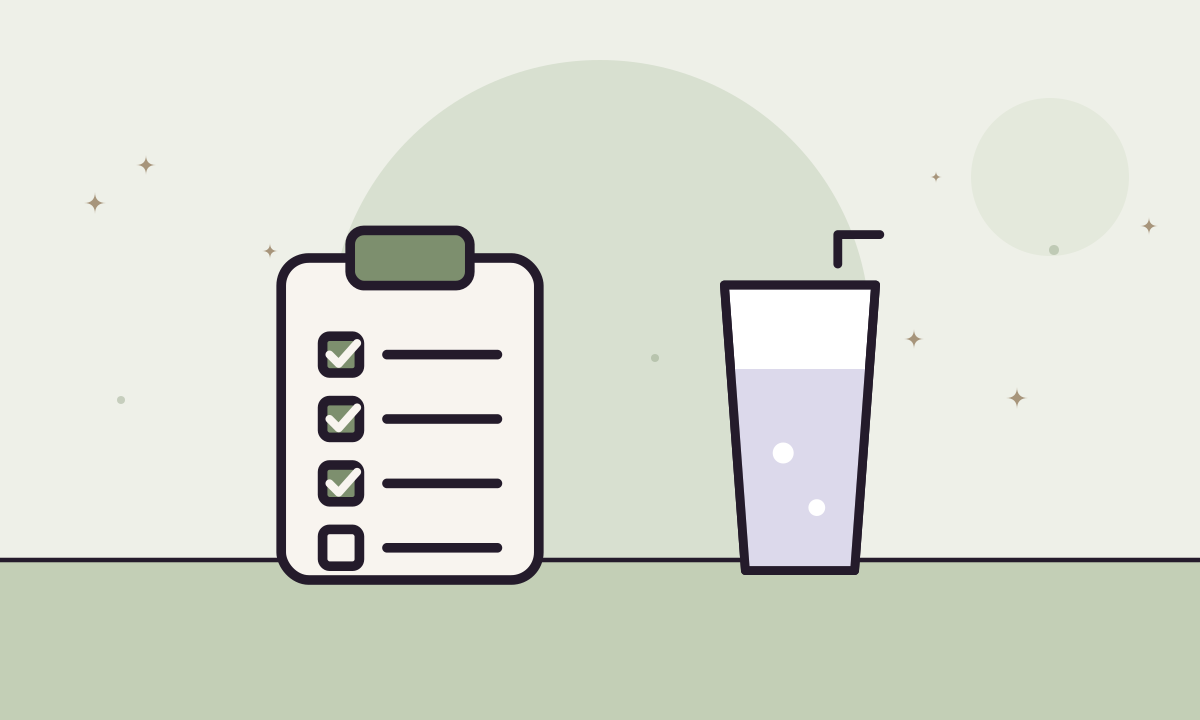
If you're going it alone on the machines, here's a simple full-body workout to get you started. Save it on your phone and you'll walk in knowing exactly what to do.
Warm up: 5 minutes of easy walking on the treadmill or pedaling on the bike.
Then do 2 sets of 10 to 12 reps on each machine, resting about a minute or two between sets:
-
Leg press: works your legs and glutes.
-
Seated row: works your upper back and helps with posture.
-
Chest press: works your chest, shoulders and arms.
-
Lat pulldown: works your back and arms.
-
Leg curl: works the backs of your legs.
Cool down: A few minutes of gentle stretching.
That's it. It'll take about 30 to 40 minutes. Do it two or three times a week, and each week try adding a little weight or a couple of extra reps. That slow, steady progress is how you build strength.
Once you feel comfortable, you can add more exercises, try a class, or move on to a full beginner plan.
The bottom line
The hardest part of going to the gym at 55 is getting out of the car and walking through the door. Everything after that gets easier every single time.
You don't have to know what you're doing. Grab a beginner plan, join a group strength class, stick to the machines, or try reformer Pilates. Bring a friend, turn up your favorite music, and start lighter than you think you need to.
A few months from now, you'll be the one walking in like you own the place, and maybe giving the nervous new woman a smile.
Keep reading
- Why Muscle Loss Speeds Up After Menopause (and How to Stop It)
-
Why Strength Training Matters So Much After Menopause
- How to Keep Your Muscle While Losing Weight on a GLP-1
- The Walking Pad Guide: How to Stay Active All Winter
This article is for educational purposes only and isn't medical advice. Check with your doctor before starting a new exercise program, especially if you have osteoporosis, heart concerns, joint problems, or balance issues.